
Achilles Tendon Pain: Causes, Symptoms, and Treatment

Understanding Achilles Tendon Pain

Pain or stiffness in the back of your heel or lower calf—particularly during or after physical activity—often points to Achilles tendon pain, also known as Achilles tendinopathy.

This condition can affect anyone, from recreational walkers to competitive athletes, and if not addressed early, it can become a persistent and frustrating injury. The positive news is that with accurate diagnosis and tailored management, recovery is very achievable.


What Is the Achilles Tendon?

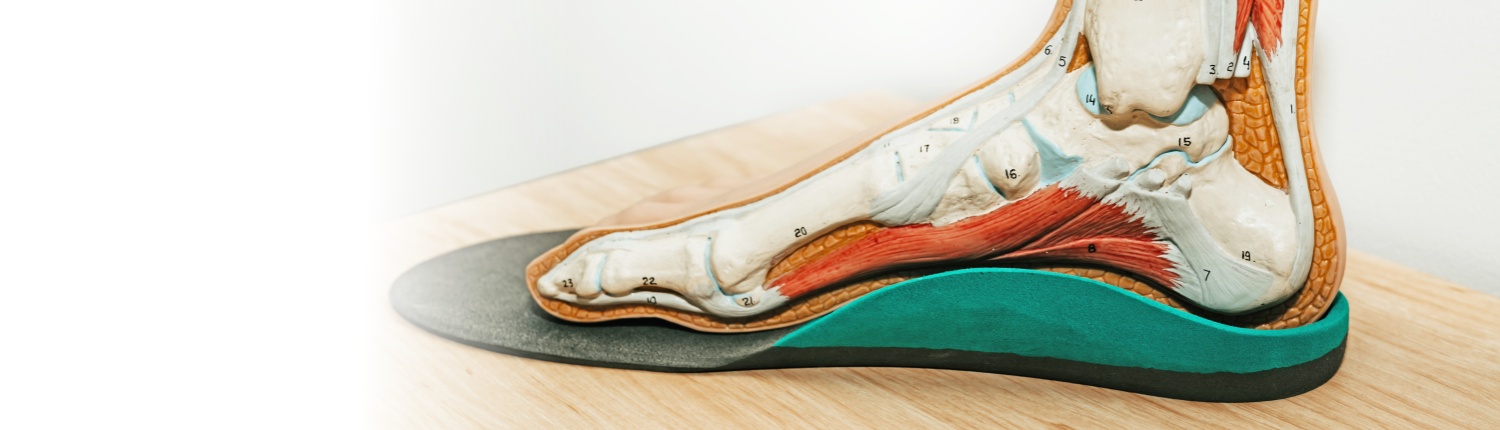
The Achilles tendon is the strongest and largest tendon in the body, linking the calf muscles (gastrocnemius and soleus) to the heel bone (calcaneus). It’s critical for walking, running, and jumping, making it one of the most frequently strained tendons in the lower limb.

When the tendon becomes overloaded, irritated, or degenerative, inflammation and microtears can occur, leading to pain and reduced function.

There are two primary forms of this condition:

  • Mid-portion Achilles tendinopathy: Occurs within the main body of the tendon, typically 2–6 cm above the heel bone.
  • Insertional Achilles tendinopathy: Involves the lower part of the tendon where it attaches directly to the heel.

Common Causes of Achilles Tendon Pain

Achilles injuries often develop from a combination of overuse, poor biomechanics, and inadequate recovery. Contributing factors include:

  • Rapid increases in training load or intensity
  • Tight calf muscles or reduced ankle flexibility
  • Flat feet, high arches, or excessive pronation
  • Weakness in the glutes or poor lower limb control
  • Unsupportive or worn-out footwear
  • Running on hard or uneven terrain
  • Skipping warm-up or stretching routines
  • Natural age-related tendon changes
  • Participation in high-impact sports such as running, tennis, or football

Symptoms of Achilles Tendinopathy

Symptoms can start gradually and often worsen if the underlying cause isn’t addressed. Typical signs include:

  • Pain or stiffness at the back of the heel or lower leg
  • Discomfort that’s worse first thing in the morning or after inactivity
  • Swelling, thickening, or a small lump along the tendon
  • Pain during or after activity that eases with rest
  • Tenderness when pressing on the tendon
  • Tightness in the calves or reduced ankle motion
  • A creaking or squeaking sensation when the tendon moves (occasionally noted)

If neglected, the condition may lead to long-term discomfort and even partial or full tendon rupture.

Treatment for Achilles Tendon Pain

At our clinic, we use a comprehensive and evidence-based approach to restore tendon health. Treatment is customised to each individual, focusing on both symptom relief and long-term strength recovery.

Conservative & Active Treatment Options

  • Load management: Adjusting or reducing aggravating activities such as running or jumping.
  • Shockwave therapy: Encourages tissue repair and relieves chronic tendon pain.
  • Structured rehabilitation: Gradual strengthening using eccentric calf exercises and resistance training.
  • Soft tissue therapy: Massage or dry needling to release tight calf muscles and improve mobility.
  • Footwear review: Ensuring your shoes offer adequate support and cushioning.
  • Custom orthotics: Designed to correct biomechanics and reduce tension on the tendon.
  • Laser therapy (MLS): Used to promote healing and decrease inflammation.
  • Heel lifts or taping: Provides short-term offloading to ease tendon strain.

Our goal is not just to relieve pain, but to restore function, prevent re-injury, and get you confidently back to your activities.

Why Early Treatment Matters

Ignoring Achilles pain can turn a simple strain into a long-term condition. Prompt assessment and intervention can prevent:

  • Degenerative tendon changes
  • Ongoing stiffness or swelling
  • Complete tendon rupture
  • Secondary pain from compensation in other joints or muscles

Prevention Tips

To help protect your Achilles tendon and reduce the risk of recurrence:

  • Warm up properly before exercise and stretch afterwards
  • Maintain strong calves, glutes, and core muscles
  • Choose well-fitting, supportive footwear
  • Avoid abrupt increases in training or load
  • Include low-impact cross-training such as cycling or swimming

Seek early podiatric assessment for any signs of foot or gait imbalance.

Book an Appointment

Achilles pain rarely improves with rest alone. If you’re noticing stiffness, tenderness, or discomfort in your tendon, it’s time to have it properly assessed.

Book an appointment with our experienced podiatrists to start a personalised treatment plan and get back to pain-free movement.

Why Choose Us?

We believe patients deserve more than just a quick fix. At Kallangur Podiatry, we focus on long-term solutions, education, and building trusted relationships.

Experienced & Friendly Podiatrists

Our team includes Scott Greenbank, Michaela and Sarah, each bringing unique expertise and compassionate care.

Network Network

Advanced Technology

Including treadmill gait analysis with Sensor Medica pressure plate and video assessment for accurate diagnosis.

Check Check

Custom Solutions

We prescribe orthotics, rehabilitation plans, and practical advice tailored to each individual.

Clock Clock

On-Time & Professional

We value your time, and you’ll always receive a warm welcome and efficient care.

User-add User-add

Family-Friendly Clinic

We treat patients of all ages, from toddlers to older adults.

Clipboard Clipboard

We Treat a Range of Conditions

Whatever your foot or leg problem is, we take the time to get to the cause not just treat the symptoms and get you back on your feet again.

Podiatry Affiliations & Health Fund Partners
© Copyright 2025 - Kallangur Podiatry - We Fix Feet